
Canada
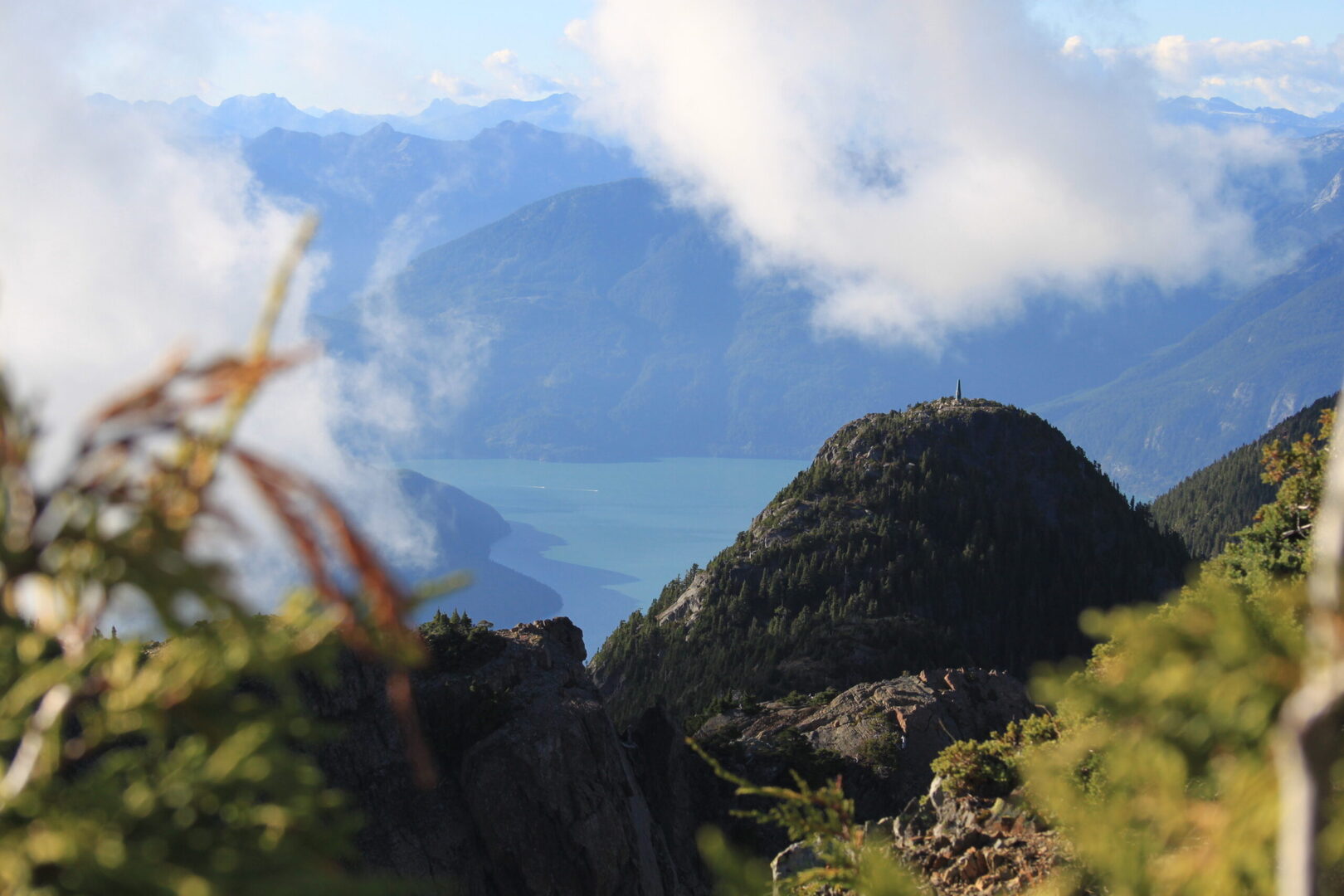
This Canada Travel Guide covers everything you need to know to plan your trip – when to visit, where to go, top highlights, and the best places based on your interests. Whether you’re into hiking, city exploring, wildlife, or road trips, you’ll find tailored tips and ideas to help you make the most of your Canadian adventure.
Things to know before You travel to Canada
- Language: English and French, but 80% of Canadians speak English
- Currency: The Canadian currency is the Canadian Dollar (CAD)
- Visas: Most countries will need an Electronic Travel Authorization (eTA) to travel to Canada. You can check if your country is eligible here.
- Time Zones: Canada has a total of six times zones.
- Travel Insurance: Check with your travel insurance provider to get the coverage you need for your visit to Canada.
- Mobile: Phone plans are very expensive in Canada. From my personal experience eSim cards are the cheapest way to travel to Canada.
- Plugs: Canada uses the type B plugs (same as the US). I recommend buying a universal adapter for international travelers.
- Transportation: The best way of getting around in Canada is by car or plane. Although there are some areas connected by train, this is not a cheap way to travel. If you want to explore Canada, I recommend renting a car and going on a road trip.
- Accommodation: Canada offers a wide variety of accommodation options. If you’re traveling on a budget, during the summer, consider a mix of campgrounds, Airbnbs, and budget-friendly hotels.
- Tipping: While tipping is not legally required in Canada, it is customary to leave at least 15%. For large groups, 18% gratuity may be automatically applied.
- Must-try food: Poutine, Tourtiere, Fresh Seafood, Nanaimo Bar, Maple Syrup, Butter Tart, Timbits.
The Best Time to Visit Canada
Any time is a great time to travel to Canada. But if you want to visit the famous Banff and Jasper National Parks, or are into hiking, camping and backpacking, then the summer months of July and August are the best months to visit Canada.
Personally, I believe September is one of the best times to visit Canada. With summer crowds gone, prices dropping, and the stunning fall foliage starting to emerge, it’s the perfect time to explore Canada.
If you’re looking to enjoy winter activities and explore some of the best ski resorts in the world, then winter is the perfect time to travel to Canada. Whistler, in particular, has some of the best slopes in North America!
Canada Travel Guide: Best places to visit
- Canadian Rockies: A visit to the stunning mountain range on the border of British Columbia and Alberta is a must for any Canadian travel itinerary. Explore the breathtaking scenery through hikes and scenic drives along the Icefield Parkway.
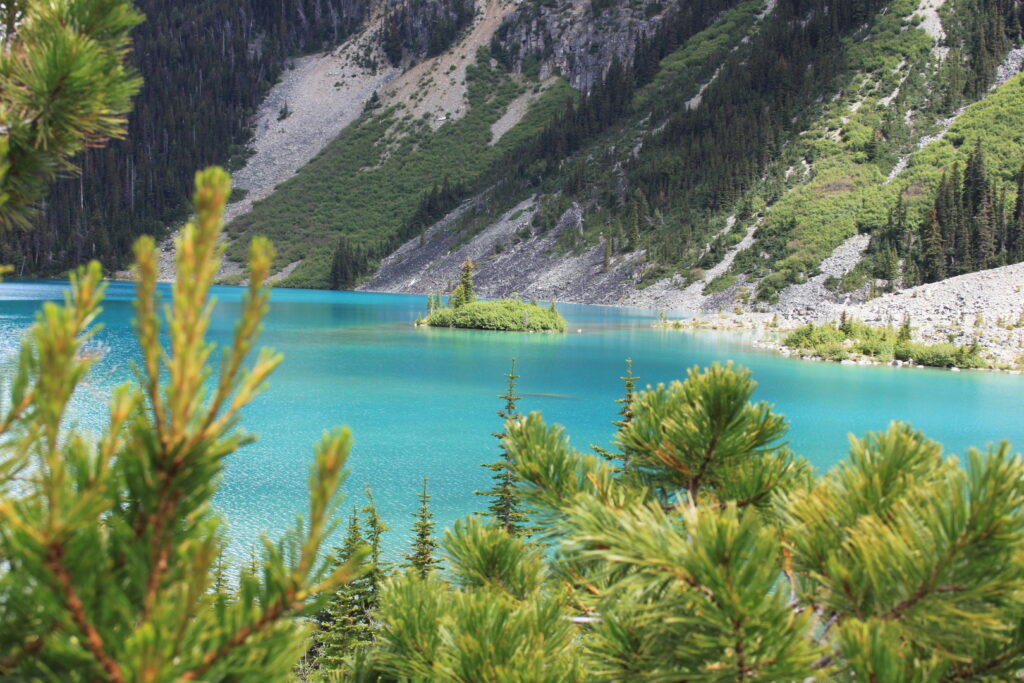
- British Columbia: This province is the right blend of mountains and sea. In fact, it offers anything from pristine alpine lakes, amazing hiking trails, top Whistler ski resort and one of the most beautiful cities in Canada, Vancouver.
- Vancouver Island: Located off the West Coast in Canada, Vancouver Island is a paradise for nature lovers. The main attractions are going on a multi-day hike along the Pacific Coast, such as Juan de Fuca, visiting Victoria and surfing on the famous beaches of Tofino.
- Niagara Falls: Is located on the border between Canada and the U.S and is a highlight for many who travel to Canada. In fact, the Canadian side has the best view.
- Northern Lights: Canada has some of the best spots to see the Aurora Borealis. In my opinion, the best places to catch the Northern Lights are Yellowknife and Churchill. But it can sometimes be seen from major cities as well.
- Montreal and Quebec City: If you want to dive deep into the French-Canadian culture, a trip to Quebec should be part of your Canada travel guide. In fact, here you’ll find some of the most picturesque buildings and cobblestone streets in one of Canada’s oldest cities.
- Toronto: Canada’s largest city, where you can dine at some great restaurants. Also, don’t miss the iconic CN Tower and the culinary scene in this incredible city.
- Canadian Maritimes: Newfoundland, New Brunswick, Nova Scotia and Prince Edward Island are known for their fishing villages, the Viking history and friendly hospitality.
- Canada’s North: Yukon, Northwest Territories and Nunavut are remote provinces with one of the best access to untouched nature.
Why you should travel to CANADA
Canada is a must-visit destination! With endless outdoor adventures, breathtaking landscapes and multicultural cities, you have a vast choice. If its your first time visiting Canada, check the national parks in Alberta and BC. Alternatively, visit the lively cities of Vancouver and Toronto.
Canada Travel Guide: Top Destinations Based on Your Interests
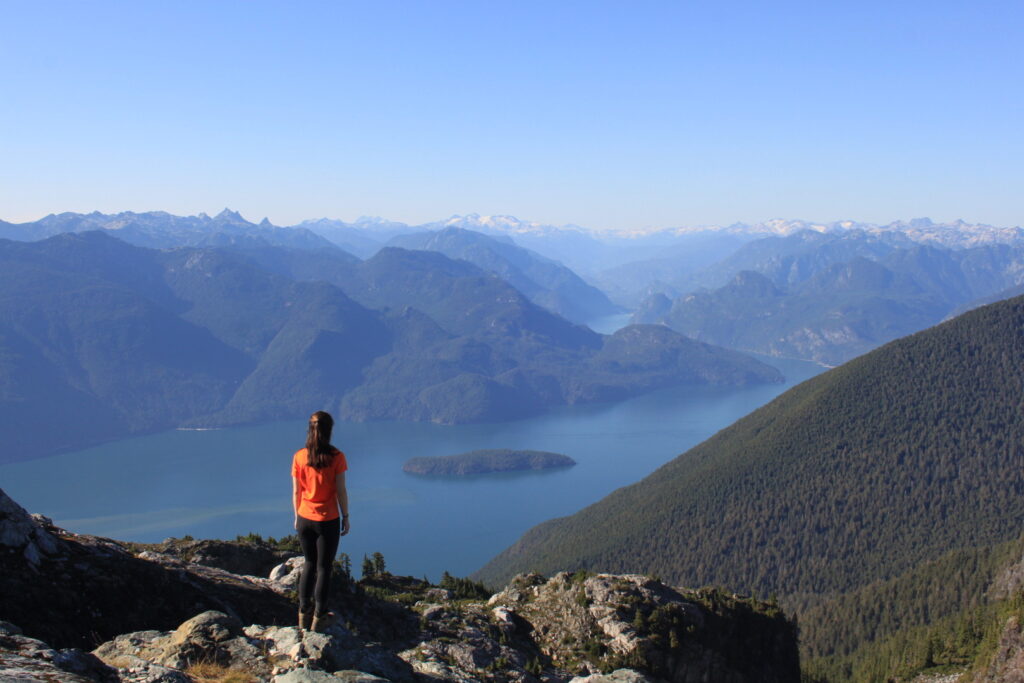
Canada is the second largest country in the world. So, it would be close to impossible to visit every corner on a single trip. That’s why this Canada travel guide is designed to help you narrow down your options. It offers suggestions based on your interests and the types of activities you enjoy.
Outdoors
- Banff National Park (Alberta): Banff is Canada’s oldest national park and is home to some of the most breathtaking mountains, glaciers and lakes. Some must-see spots include Lake Louise, Moraine Lake, Peyto Lake, and Johnston Canyon. In fact, there is a reason why it’s one of the most famous national parks in the world.
- Jasper National Park (Alberta): Located north of Banff, Jasper National Park is a more laid-back outdoor paradise with abundant wildlife and dark skies ideal for stargazing. In my opinion, Jasper can not be missed on a Canada travel guide.
- Glacier National Park (British Columbia): Is ideal to experience remote wilderness. In fact, Glacier National Park is famous for its dramatic mountain peaks and glaciers.
- Yoho National Park (British Columbia): is located in the Canadian Rockies and is still considered a hidden gem. Yoho is not only famous for its turquoise Emerald Lake, but also for breathtaking waterfalls and excellent trails.
- Kootenay National Park (British Columbia): Being more quiet and less crowded than the other parks in the Rockies, Kootenay really allows you to immerse yourself in the nature.
- Pacific Rim National Park (Vancouver Island, BC): Is home to some of the best beaches in Canada. Also, it’s an excellent spot for hiking, surfing and checking out tidepools.
- Gros Morne National Park (Newfoundland and Labrador): A UNESCO World Heritage site offering remote wilderness experiences and dramatic fjords.
Wineries
- Okanagan Valley (British Columbia): Okanagan is one of Canada’s sunniest regions, which is one of the main reasons it’s ideal for wine production. In addition, the area offers the right blend of lakes, vineyards and rolling hills. The main towns to stop at are Kelowna, Penticton and Osoyoos.
- Niagara on the Lake (Ontario): If you’ve heard about the Canadian Icewine, this is its original birthplace. If you visit some wineries in this region, make sure you also add the historic town of Niagara on the Lake to your list.
Historic Towns
- Quebec City (Quebec): Is one of the oldest cities in North America (founded in 1608) and the Old Town is a UNESCO World Heritage site. So, if you want to experience some Canadian history, make sure you add Quebec to your Canada travel guide.
- Victoria (British Columbia): Founded in 1843, Victoria is the capital of British Columbia and is located on Vancouver Island.
- St John (New Brunswick): Is one of the oldest cities in Canada and is famous for the historic buildings in the uptown area.
City Life
- Vancouver (British Columbia): is the right mix of dynamic and laid-back coastal city. Surrounded by the mountains and water, Vancouver is knows for its old Gastown as well as the trendy Yaletown area. Also, here you can find some of the best restaurants in Canada.
- Toronto (Ontario): is Canada’s largest city and is excellent for dining, shopping and cultural events year-round.
- Montreal (Quebec): if you want to experience some European vibes, then Montreal is the right place to visit. Known for its festivals, excellent food scene and cultural activities, Montreal is truly a charm.
Scenic Drives
- Sea to Sky (British Columbia): as the name suggest, this scenic drive starts at sea level in Vancouver and leads the whole way up along the Highway to the mountains. Some of the key stops along this drive are Tunnel Bluffs, Shannon Falls, Sea to Sky Gondola, Squamish, Chief, Brandywine Falls, Whistler and Joffrey Lakes.
- Icefields Parkway (Alberta): one of the most popular and scenic drives in Canada, the Icefields Parkway is a road trip that stretches between Jasper and Banff in Alberta. It’s a must-do in any Canada travel guide.
Wildlife Viewing
- Whale watching: there are multiple spots you can go on a whale watching tour, either from Vancouver, Victoria or Tofino. Additionally, the Sunshine Coast is a great spot for spotting humpback whales and orcas, even straight from the coastal shores.
- Grizzly and Black Bears: in the spring and summer months, bears can be spotted in the main national parks in Canada or even in towns like Whistler. If you adventure in the outdoors, it is recommended to carry a bear spray and have bear-proof bags for storing your food. This is especially crucial if camping in the backcountry overnight.
- Moose: spotted near lakes or marshes, moose can be seen anywhere in the more remote or wooded areas in Alberta, Ontario or Newfoundland.
- Polar bears: Churchill is known as the “Polar Bear Capital of the World” and is the prime spot for viewing polar bears in the wild. The best time to visit is between October and November, during the fall migration season.
- Bison: Wood Buffalo National Park (Alberta / Northwest Territories) is home to one of the largest bison herds in the world. Another great spot is Grasslands National Park (Saskatchewan) or Elk Island National Park (Alberta). Bisons used to be close to extinction in Canada, but thanks to conservation programs, they’ve since made a remarkable recovery.
WILDLIFE SAFETY: If you’re exploring national parks or hiking in the wilderness, be aware of wildlife like bears and moose. If you have an encounter, keep a safe distance, don’t panic and follow local advice on what to do in these cases. I recommend carrying bear spray at any time.
Read all my posts In this CANADA travel guide
-
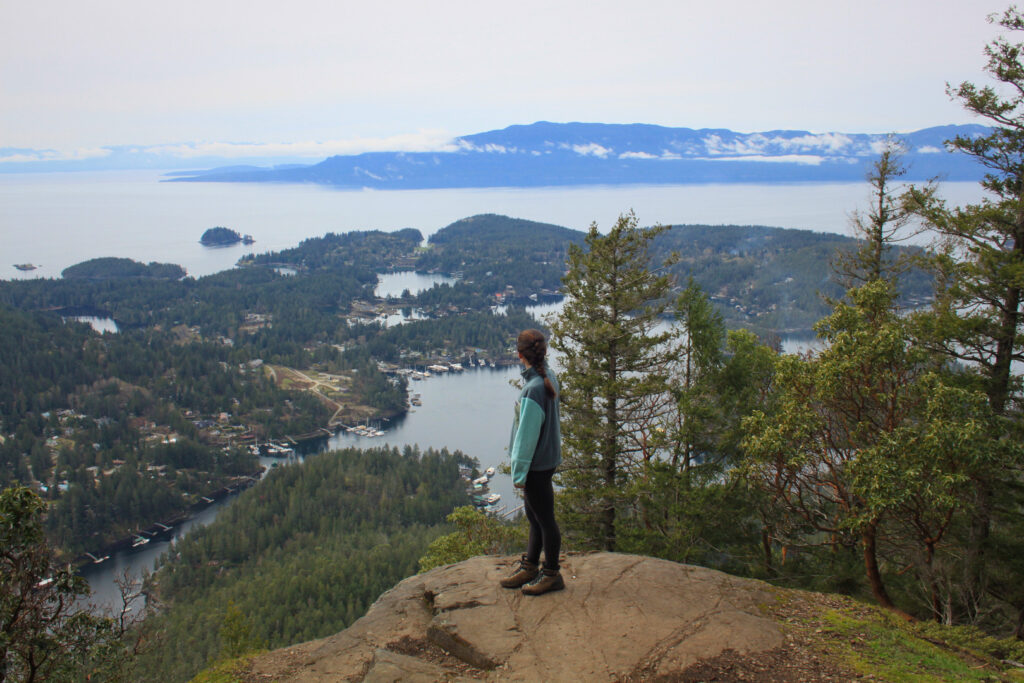
Sunshine Coast: Explore BC’s Best Hidden Gem
Just a ferry from Vancouver, British Columbia’s Sunshine Coast offers ocean views, small harbor towns, and a laid-back pace perfect for your next getaway.
-
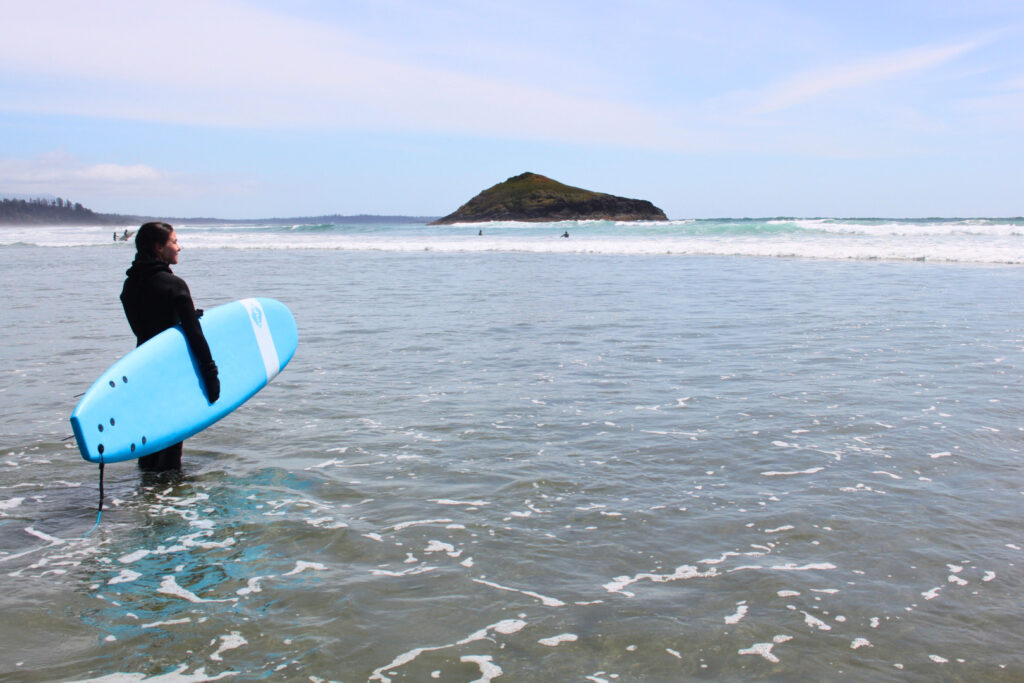
The Best 3 Day Itinerary to Tofino and Ucluelet
This 3 day itinerary to Tofino and Ucluelet is perfect for a long weekend escape, blending nature, adventure, and relaxation on Vancouver Island’s west coast.
-
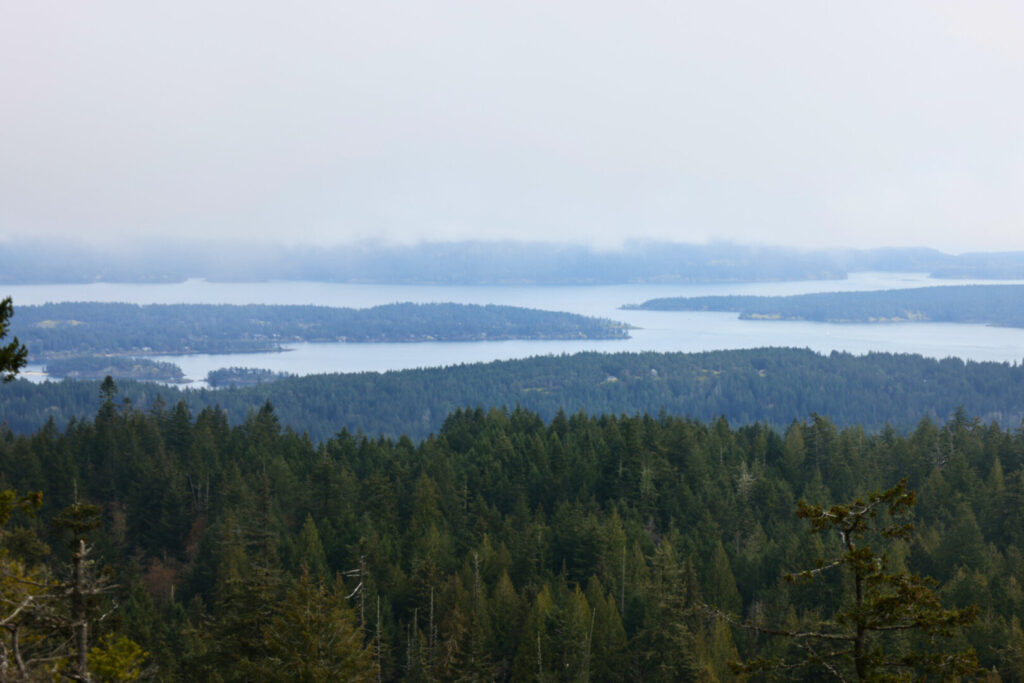
The Best Salt Spring Island Activities For A Weekend Getaway
Whether you’re planning a weekend getaway or an extended stay, the wide range of Salt Spring Island activities offers something for everyone. Check them out!
-
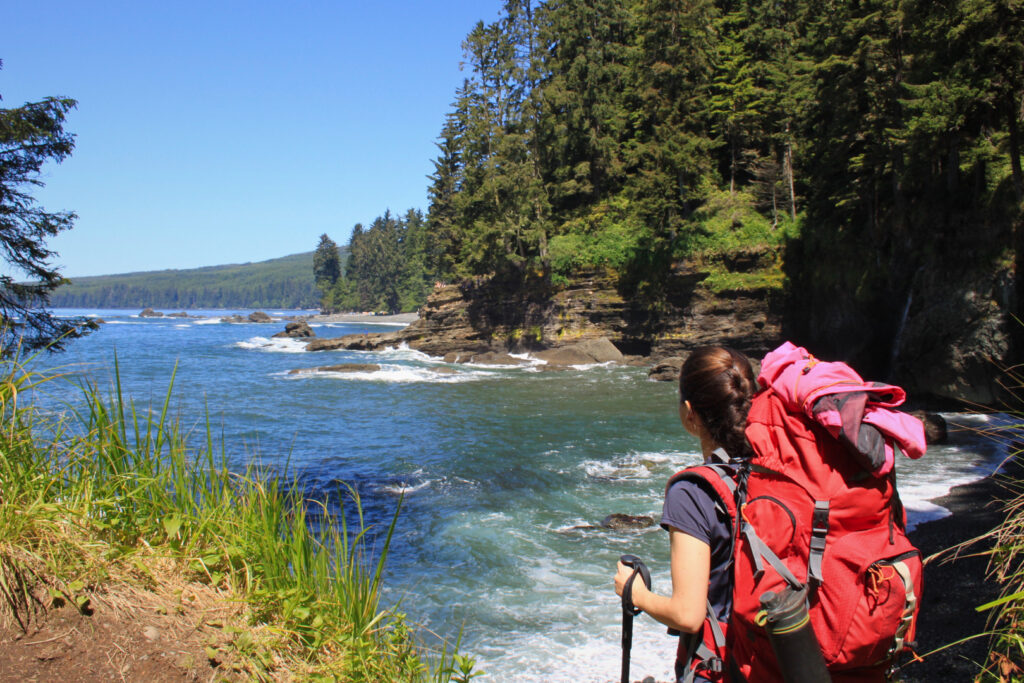
All You Need To Know To Hike Juan De Fuca Trail In 3 Days
Juan de Fuca Trail in 3 Days: this challenging 47 km trail along the West Coast on Vancouver Island can be completed in as little as 3 days.
-
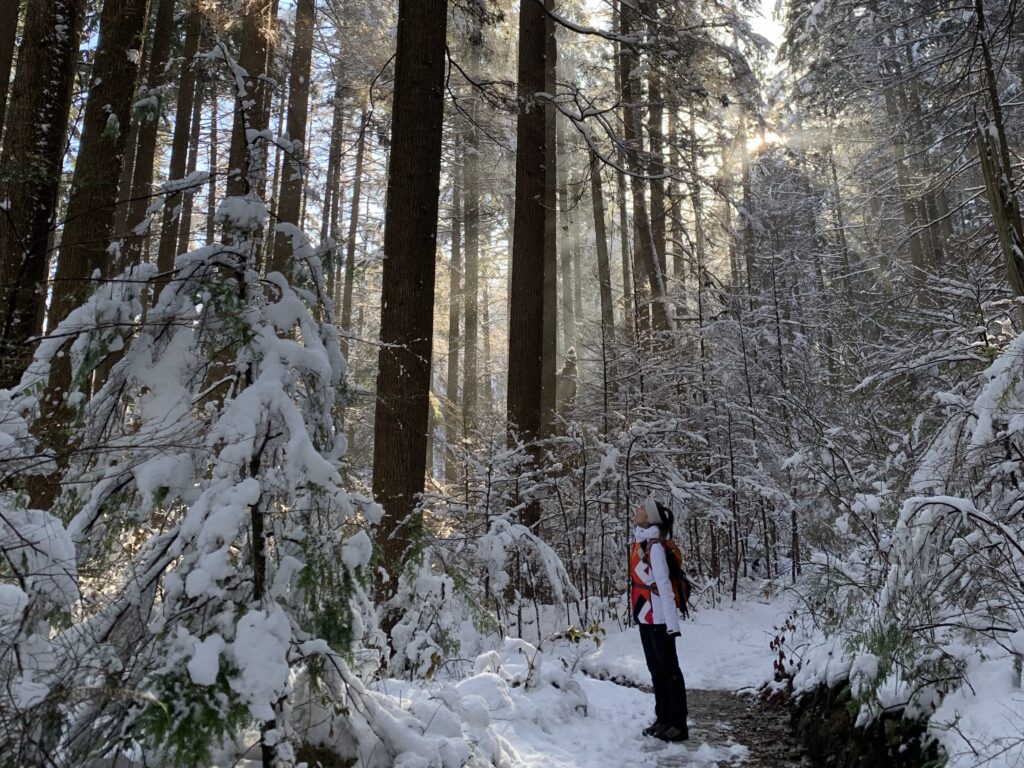
The Best 7 Snowy Winter Hikes Near Vancouver
Explore the best 7 snowy winter hikes near Vancouver that will immerse you in a magical winter wonderland. Find inspiration here for your next winter hike!